
THE FULL STORY
Kraaltjies
There is soil, and there is soil.
In parts of the Swartland lie ancient termite nests — some estimated to be between 4,000 and 26,000 years old. Over that time, termites carried plant material back to their nests, broke it down, and steadily enriched the soil beneath: chemically, structurally, to a point where it is noticeably different from the ground just beyond it.
The distinctive little circles — “kraaltjies” — are often seen on hillsides and ridges. (Even Tygerberg’s name comes from a similar piece of folk imagination: the patches that reminded Dutch settlers of a tiger.)
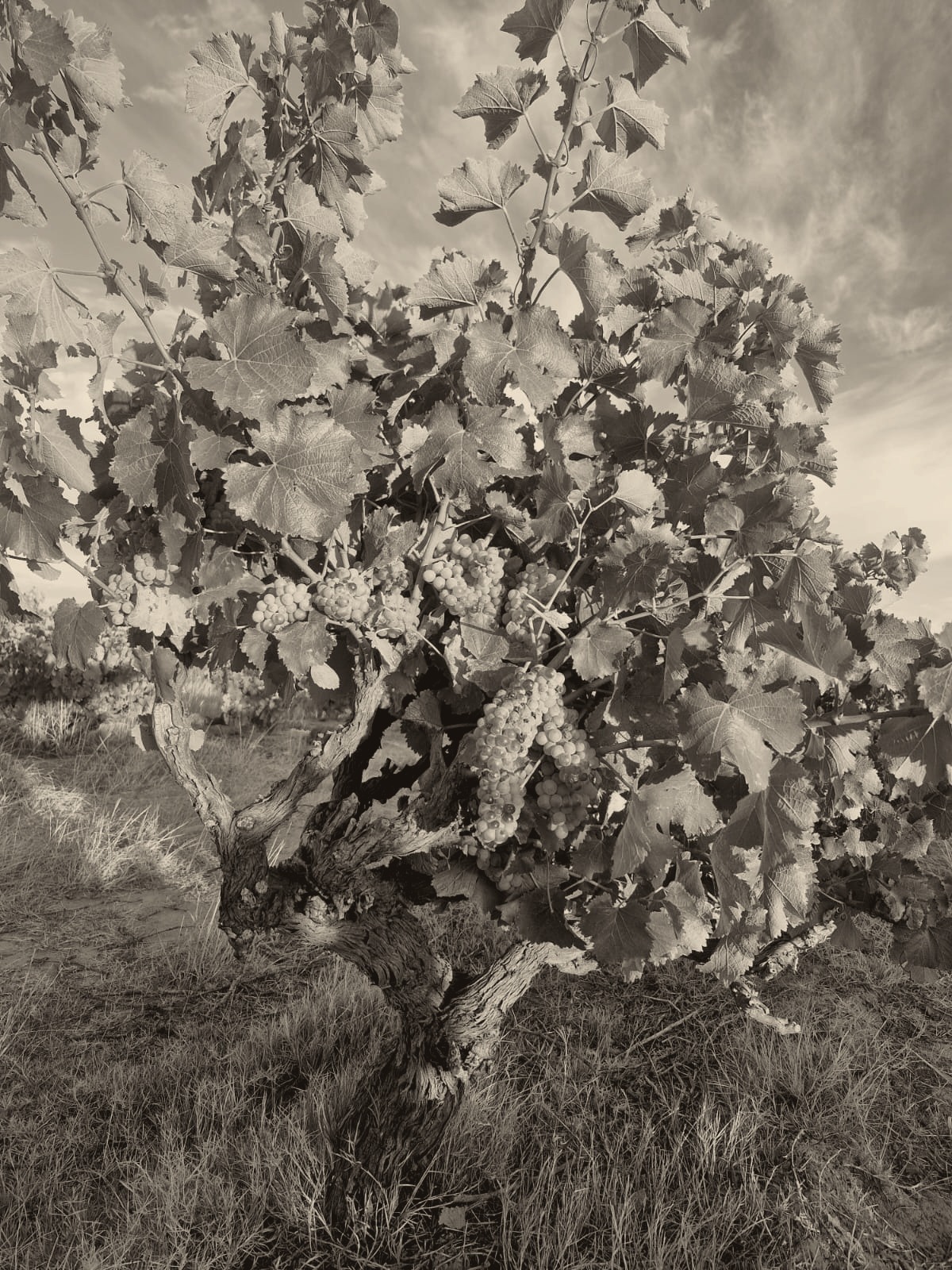
Johann Smit, viticulturist at Perdeberg, noticed years ago that the vines growing within these circles are simply different. Stronger shoots. Leaves held longer. Bigger bunches, thicker skins, more natural acidity — and ultimately, more flavour.
The philosophy
Kraaltjies is built on five simple, non-negotiable principles:
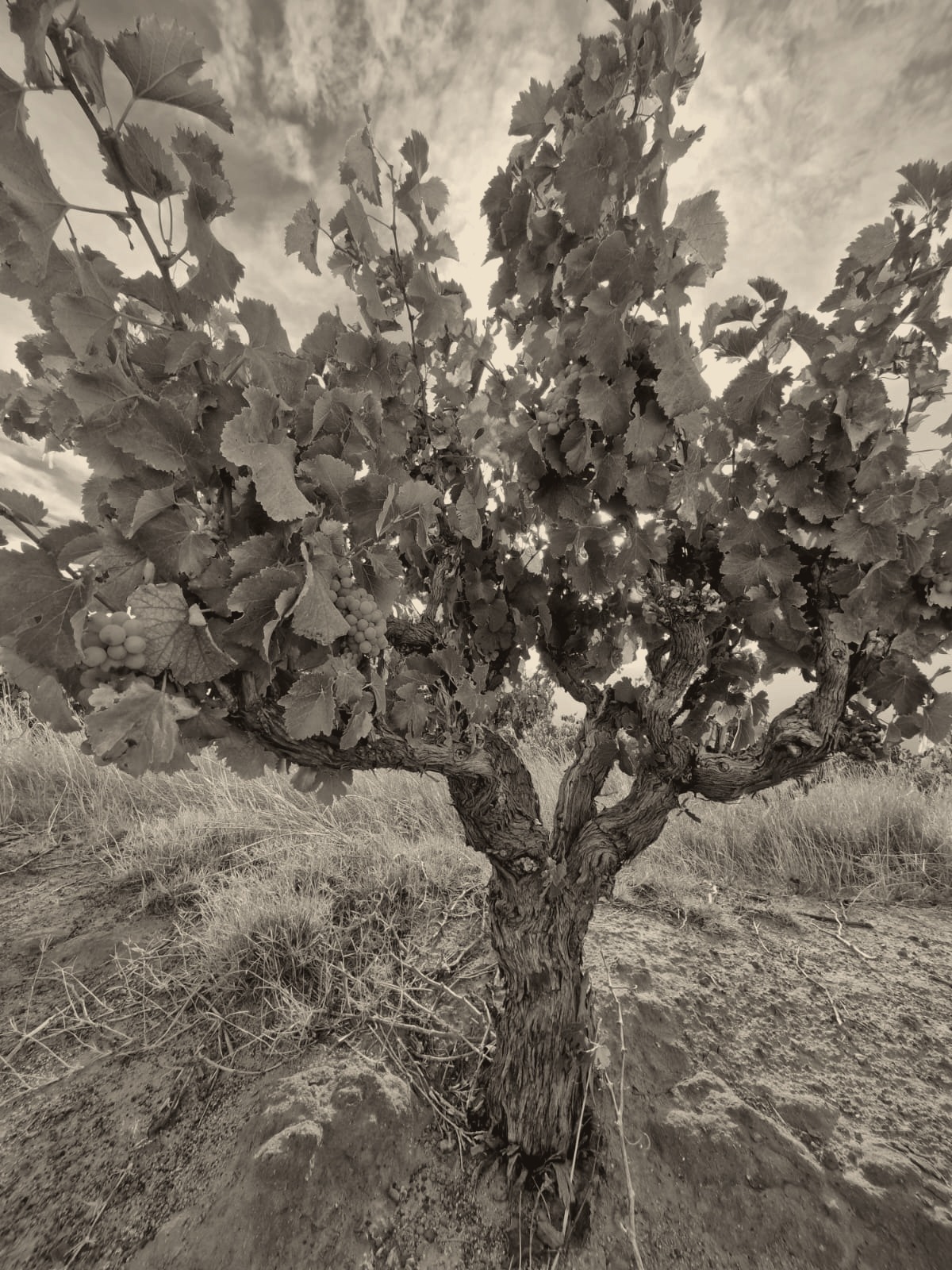
Bush vine. Not trellised vines — old, free-standing bush vines that have found their own shape over the years.
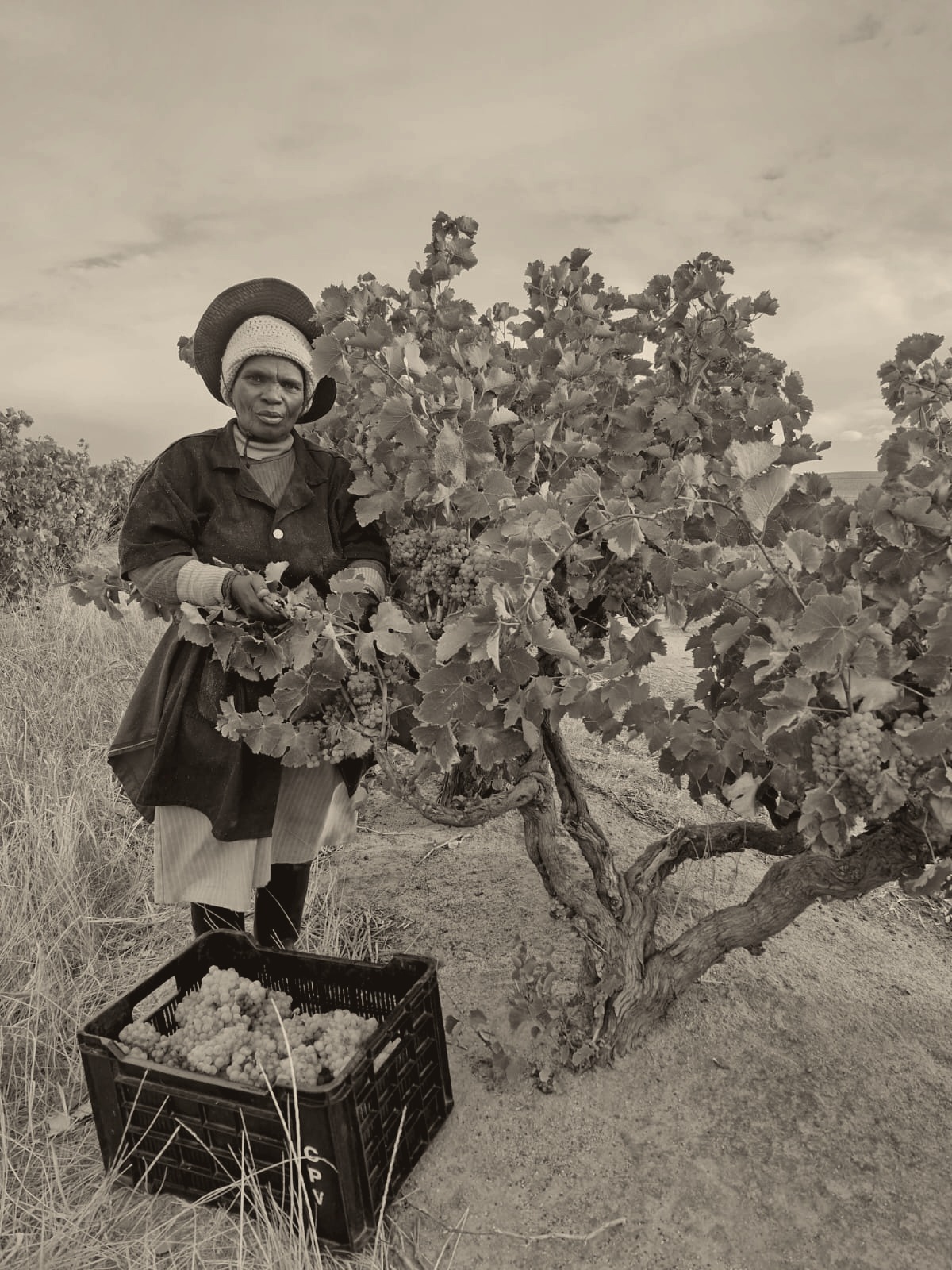
Old Vine. The vineyard was planted in 1981. More than 40 years old. Every vine tells its own story.
Dryland. No irrigation. The vines depend entirely on rainfall, and over four decades their roots have grown deep in search of water — giving the grapes a concentration and complexity that irrigated vineyards cannot imitate.
Swartland. The region that has proven, time and again, that it can produce the best Chenin Blanc in the world.
Biodynamic. Pruning, thinning, harvesting, racking and bottling are done according to the fruit days of the biodynamic calendar — a touch of old wisdom that works with the natural rhythms, rather than against them.
The wine itself is unoaked. With these first vintages, the goal is simple: let the soil and the fruit speak, without wood getting in the way.

The 2026 harvest
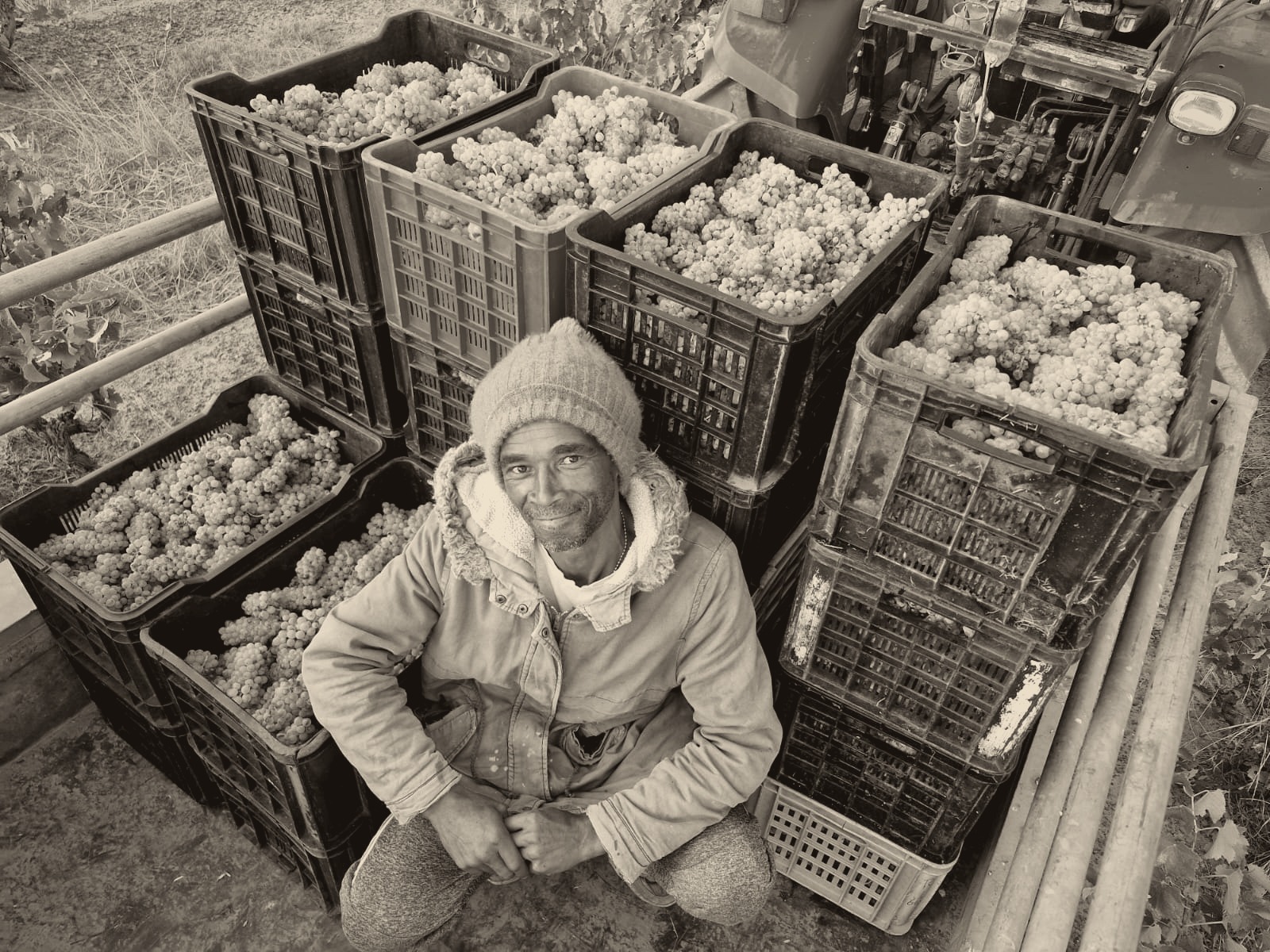
2026 was an exceptionally dry and warm season — from the start of August to harvest day, the kraaltjie block received just 82mm of rain, against 512mm in 2025. Yet aerial photos of the block showed it clearly: the vines on the termite circles still fared better than those outside them — longer shoots, more leaves, and leaves retained for up to eight weeks after harvest (against two weeks for vines outside the circles).
This is exactly what Kraaltjies stands for: in difficult seasons, the character of this soil comes through even more clearly.
HARVEST DAY
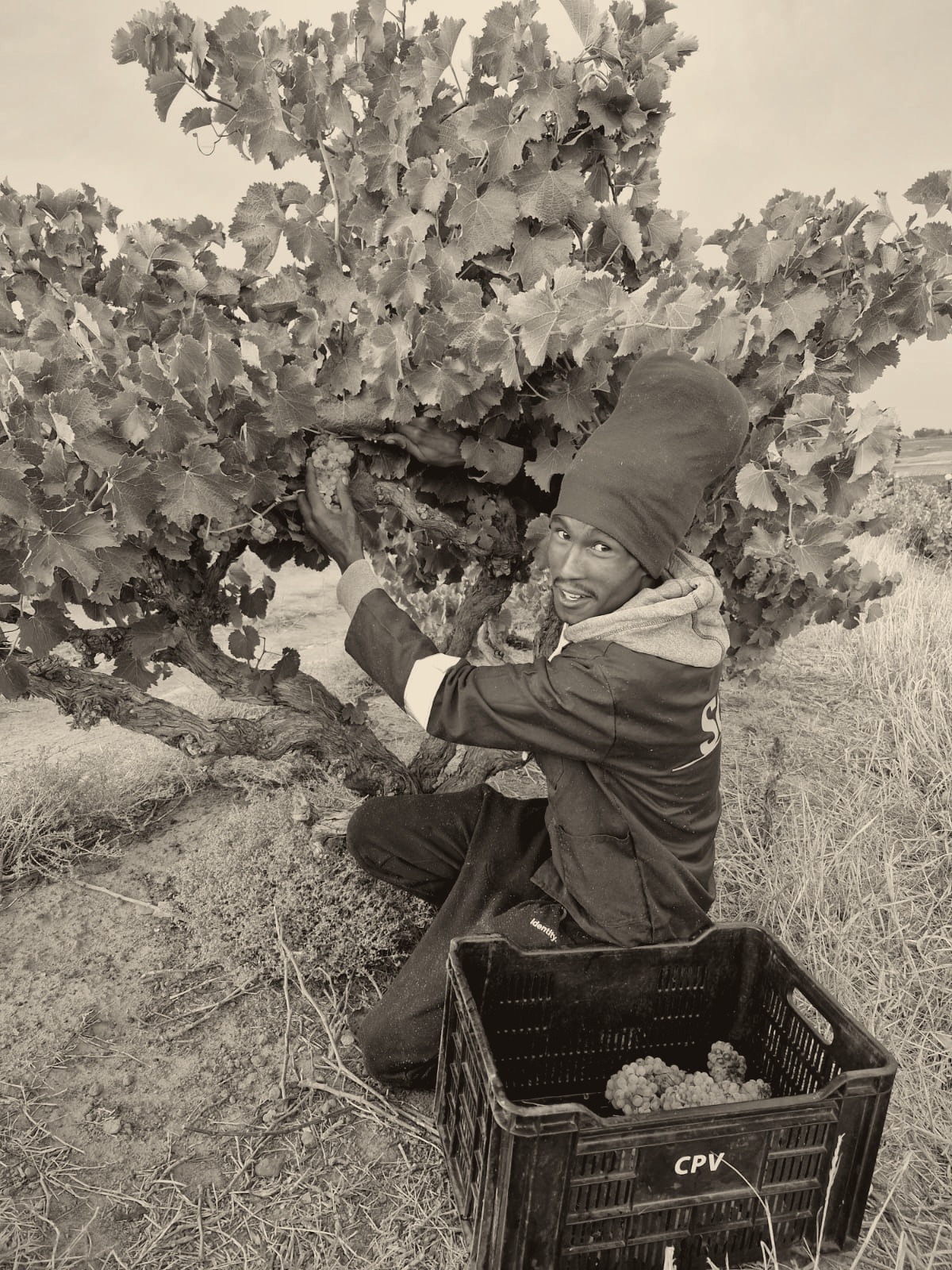
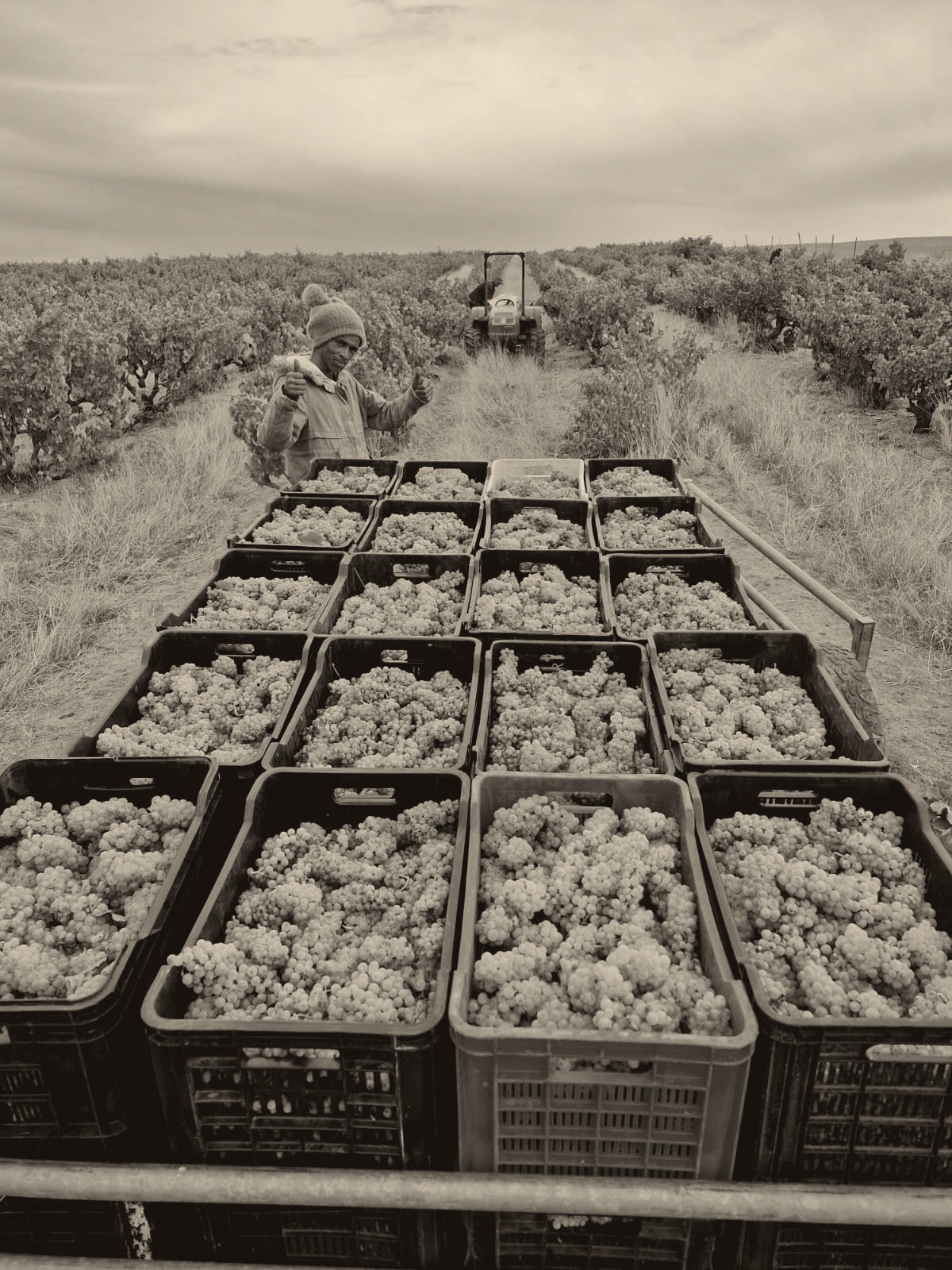
August 2026, in pictures.
RESERVE
Made in small quantities.
Going directly to those who know the story.
Let us know how many bottles or cases you’d like to reserve — we’ll reply personally.
Stay up to date with every harvest — sign up for our newsletter by sending us a message.